
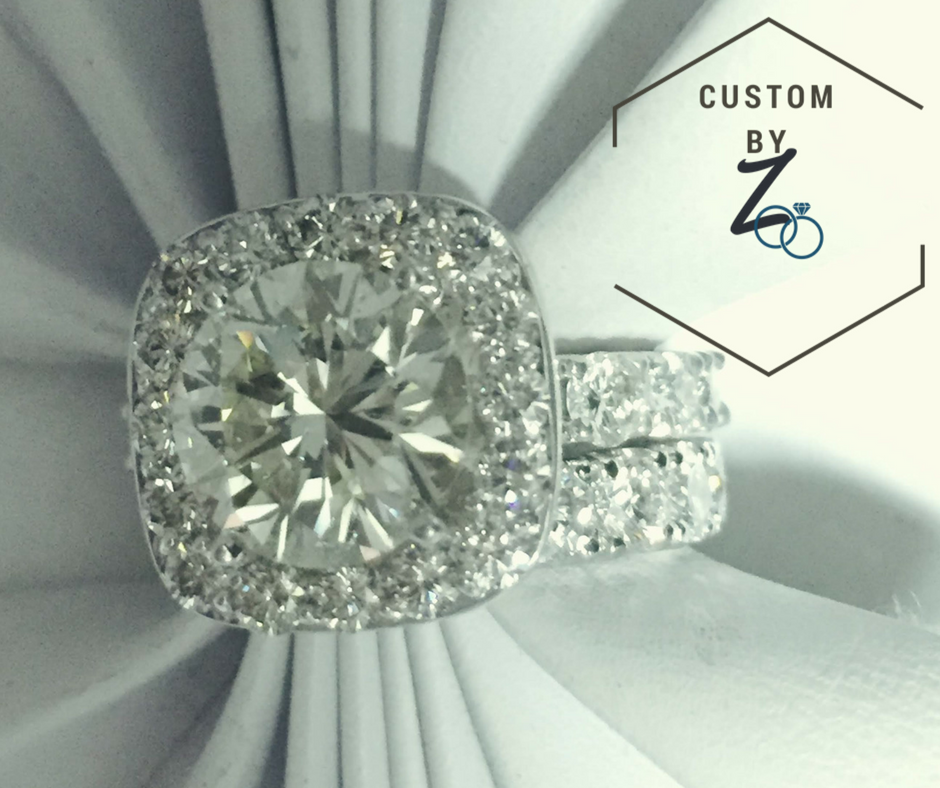
White gold jewelry can gradually develop a warmer or yellowish tone, especially in areas that receive frequent friction. In many cases, the gold itself has not suddenly changed color. The bright white rhodium finish has simply worn thin enough for the underlying white-gold alloy to show through.
White gold is an alloy
Pure gold is naturally yellow and too soft for many everyday jewelry designs. To make white gold, gold is combined with lighter-colored alloy metals. The exact mixture varies by manufacturer and karat. Even after alloying, white gold may retain a slightly warm, gray, or yellow tone.
Many white-gold rings receive a thin rhodium coating to create the crisp, bright-white appearance shoppers often expect. Rhodium is a platinum-group metal used as a surface finish; the jewelry underneath remains white gold.
Why the yellow tone appears
Rhodium plating gradually wears with normal use. The bottom of a ring often shows warmth first because it rubs against hands, desks, steering wheels, tools, and other surfaces. Household chemicals, personal-care products, skin chemistry, and how often the ring is worn can also affect how quickly the finish changes.
This appearance is usually normal maintenance rather than evidence that the jewelry is fake or defective. However, a professional inspection is worthwhile if the ring also has deep scratches, loose stones, thin prongs, cracks, or a distorted shank.
How rhodium plating restores white gold
Before replating, the jeweler normally inspects and thoroughly cleans the piece. Polishing may be recommended to remove surface wear and prepare an even finish. The ring is then electroplated with a fresh layer of rhodium and inspected again.
Rhodium does not repair worn prongs, cracks, missing metal, or loose stones. Those issues should be addressed separately before the final finish is applied.
How often does white gold need replating?
There is no universal schedule. Some people prefer refinishing when the first warm areas appear; others wait longer. The timing depends on wear habits, the ring’s design, the original plating, and personal preference. A jeweler can inspect the finish and recommend whether cleaning, polishing, rhodium plating, or repair is appropriate.
Questions to ask before buying white gold
- Is the ring rhodium plated, and what color is the alloy underneath?
- Is future rhodium service included with the purchase?
- Will the jewelry be inspected and serviced in-house?
- Are cleaning, polishing, and stone checks included?
- Could outside work affect the store’s warranty or service agreement?
White-gold service at N.J. Diamonds
N.J. Diamonds performs jewelry maintenance and repairs in our Dearborn store. Qualifying white-gold diamond rings purchased from us include rhodium finishing as part of our lifetime service. For jewelry purchased elsewhere, we can inspect the piece and provide an estimate based on its condition and the work required.
Review what our complimentary lifetime service includes, learn about our in-store jewelry repair services, or contact N.J. Diamonds before bringing in your white-gold jewelry.

6 thoughts on “Why White Gold Turns Yellow and When Rhodium Plating Helps”