
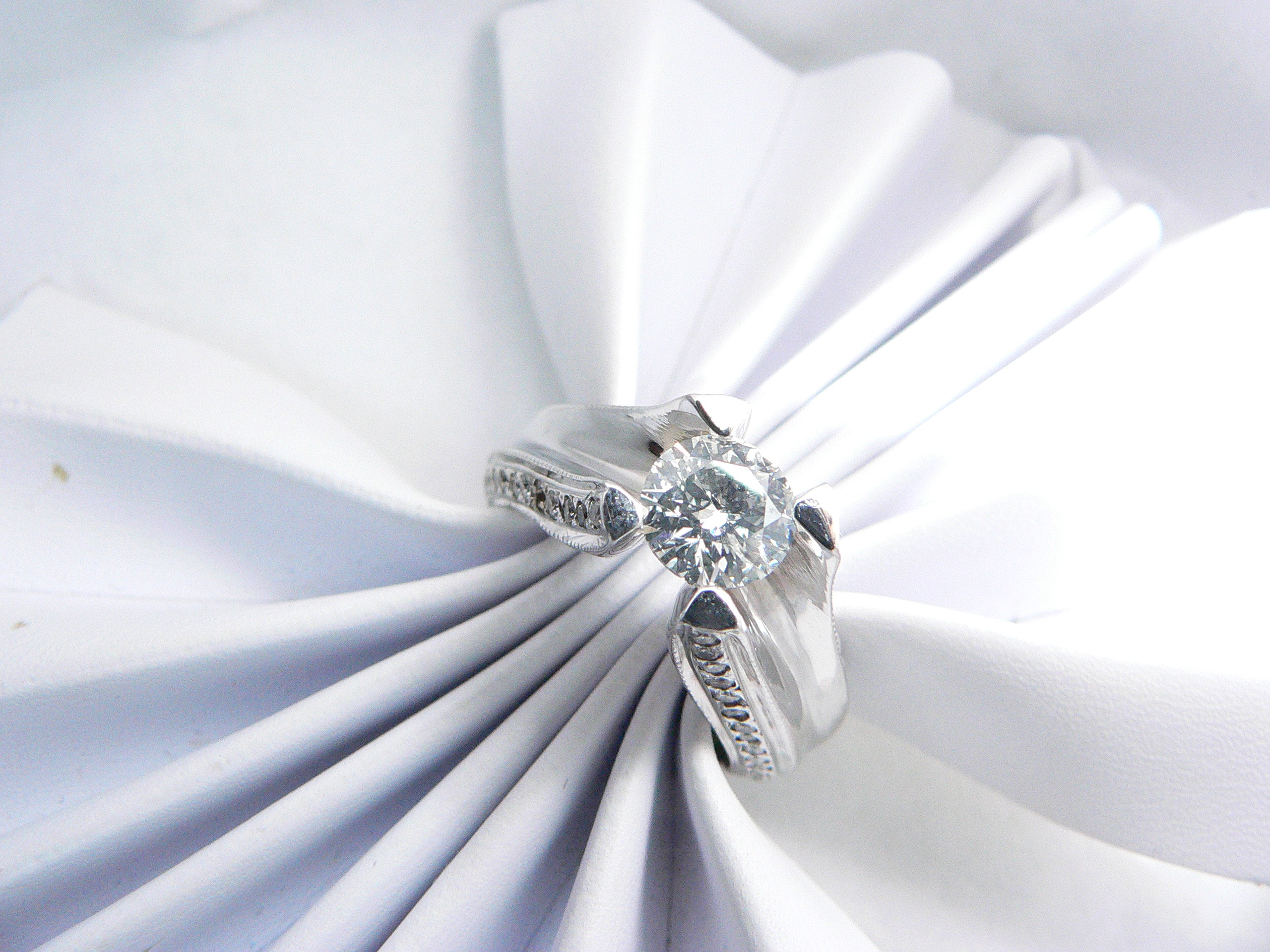
A diamond grading report describes the stone examined by a laboratory. It can document carat weight, measurements, color, clarity, cut information, fluorescence, treatments, and identifying
Read MoreTag: certified
Diamond Certification Explained: Reports, Grades & Buying Tips | N.J. Diamonds

A diamond grading report provides an independent assessment of a diamond’s identifying characteristics and quality factors. It helps you compare stones, confirm important disclosures, and understand what you are buying before choosing an engagement ring or other diamond jewelry.
The document is often called a “diamond certificate,” but “grading report” is usually the more accurate term. A laboratory reports its professional findings; it does not guarantee market value or certify that one diamond is the right choice for you.
What Is a Diamond Grading Report?
An independent gemological laboratory examines an unmounted diamond under controlled conditions and records its findings. Depending on the laboratory, diamond type, and report service, the document may include:
- Whether the diamond is natural or laboratory-grown
- Shape and cutting style
- Measurements and carat weight
- Color and clarity information
- Cut, polish, and symmetry information where applicable
- Fluorescence observations
- A clarity-characteristics plot or comments, depending on the report
- Detected treatments or growth information when included
- A unique report number and, in many cases, an online verification record
Report formats and terminology differ among laboratories and can change over time. Read the actual document rather than relying only on a seller’s summary.
Why a Grading Report Matters
It supports accurate comparison
Diamonds can look similar at first glance while differing in weight, proportions, color, clarity, treatments, or origin. A report provides standardized details that help you compare one diamond with another.
It documents natural or laboratory-grown origin
Natural and lab-grown diamonds are both diamonds, but they have different origins, supply dynamics, pricing, and disclosure requirements. The report should clearly identify the diamond being described.
It may disclose treatments
Some diamonds receive treatments intended to affect color or clarity. Treatments can influence price, care, repair procedures, and future laboratory examination, so disclosure matters.
It creates an identifying record
Measurements, weight, plotted characteristics, inscriptions, and the report number can help connect a loose diamond to its documentation. This record is useful for purchase files, future service, and appraisal work.
What a Diamond Report Does Not Tell You
- It is not a price guarantee. The report describes the diamond; it does not establish what every seller should charge.
- It is not an appraisal. A grading report does not provide insurance replacement value.
- It cannot fully show appearance. Two diamonds with similar grades may differ in light performance, transparency, proportions, or visual character.
- It does not replace inspection. The diamond, report number, measurements, condition, and any inscription should be checked together.
- It does not make every diamond a good value. Quality, price, design, and your priorities still need to be considered.
Grading Laboratories and Different Standards
Diamond reports may be issued by laboratories such as GIA, IGI, GCAL, and others. Each laboratory uses its own procedures, report formats, terminology, and quality-control systems. Grades from different laboratories should not automatically be treated as interchangeable.
When comparing diamonds, consider the laboratory, report type, report date, and the stone itself. A knowledgeable jeweler should be willing to show you the document, explain each section, and discuss how the diamond looks in person.
Natural and Lab-Grown Diamond Reports
Laboratories clearly distinguish natural diamonds from laboratory-grown diamonds. However, the grading language used for lab-grown diamonds can vary by laboratory and may differ from the traditional terminology used for natural diamonds.
For example, some reports use the familiar 4Cs grades, while other report programs use broader quality descriptions. Existing reports may also use terminology that a laboratory has since updated. Confirm the laboratory, report service, issue date, and exact wording on the document.
A laser inscription may identify a laboratory-grown diamond or repeat a report number, but an inscription should be considered together with the report and the stone—not as a substitute for verification.
How to Verify a Diamond Report
- Use the laboratory’s official report-check service. Enter the report number directly on the issuing laboratory’s website.
- Compare the details. Confirm the shape, measurements, carat weight, grading information, and comments.
- Check the report number. When an inscription is present, compare it under magnification with the report.
- Inspect the diamond. A jeweler or gemologist should confirm that the stone and documentation are consistent.
- Ask about origin and treatments. Make sure disclosures are clear before purchase.
A report number appearing in an online database confirms that a record exists. It does not, by itself, prove that the physical diamond in front of you is the same stone. The document and diamond must be matched.
Diamond Report vs. Jewelry Appraisal
A grading report describes a loose diamond’s characteristics. A jewelry appraisal describes the complete item—including the diamond, setting, side stones, metal, construction, and condition—and provides a value opinion for a stated purpose such as insurance coverage.
Important jewelry may need both documents. Learn more about our jewelry appraisal service in Dearborn.
Do All Diamonds Need Individual Reports?
Not every small diamond or accent stone is submitted for an individual laboratory report. The cost and practicality may not make sense for very small stones. Reports are most commonly discussed for significant center diamonds and loose stones where independent documentation materially helps the buying decision.
Ask what documentation is included with the exact diamond or jewelry item you are considering. If there is no individual report, request a clear written sales description and understand the seller’s return, trade-in, warranty, and disclosure policies.
Questions to Ask Before Buying
- Is the diamond natural or laboratory-grown?
- Which laboratory issued the report?
- Can I verify the report through the laboratory’s official website?
- Does the physical diamond match the report number and measurements?
- Are any color or clarity treatments disclosed?
- How does the diamond look under different lighting?
- Is an appraisal included, or should one be prepared after purchase?
Frequently Asked Questions
Is a certified diamond always better?
No. A report provides independent information, but it does not automatically make the diamond more beautiful, durable, or fairly priced. Compare the document, the diamond, and the price together.
Does a grading report prove a diamond’s value?
No. A laboratory report describes quality characteristics and origin. Value depends on the market, seller, design, rarity, condition, and purpose of the valuation.
Can a report be fake or altered?
Documents and report numbers can be misused. Verify the number with the issuing laboratory and have the physical diamond matched to the report by a qualified professional.
Is the laser inscription visible without magnification?
Usually not. Report-number inscriptions are typically very small and viewed with magnification. Not every diamond or report includes an inscription.
Do lab-grown diamonds have grading reports?
Many do. Report terminology and services vary by laboratory, so read the document carefully and verify the report through the issuing laboratory.
Review a Diamond Report in Dearborn
N.J. Diamonds can help you read a grading report, compare natural and lab-grown diamonds, and understand how documented grades relate to appearance and price. Visit us at 5601 Schaefer Road in Dearborn, Michigan.
Continue with our guide to the diamond 4Cs, explore our diamond buying guide, or learn about custom diamond engagement rings.
Verify the report. Compare the diamond. Buy with confidence. Contact N.J. Diamonds to review your options.