
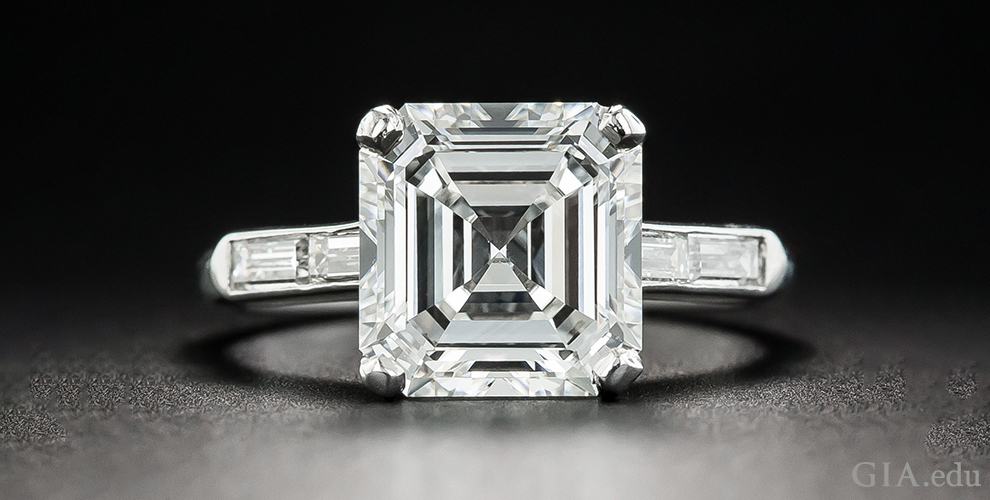
VVS and VS are diamond clarity categories. Both can contain inclusions that are difficult to see without magnification, yet their prices may differ. Understanding what the grades mean can help you focus your budget on the qualities you can actually see and appreciate.
What does diamond clarity measure?
Clarity describes the presence, size, number, position, nature, and visibility of a diamond’s internal features, called inclusions, and surface features, called blemishes. A trained grader evaluates these characteristics under controlled conditions, typically using 10× magnification.
Clarity is only one part of diamond quality. Cut, color, and carat weight also affect appearance and value. Review all four factors in our guide to the diamond 4Cs.

What is a VVS diamond?
VVS means Very, Very Slightly Included. The category has two grades:
- VVS1: Minute inclusions are extremely difficult for a skilled grader to see at 10× magnification.
- VVS2: Minute inclusions are very difficult for a skilled grader to see at 10× magnification.
VVS diamonds appeal to buyers who value very high clarity or rarity. Their inclusions are generally not visible to the unaided eye.
What is a VS diamond?
VS means Very Slightly Included. It also has two grades:
- VS1: Minor inclusions range from difficult to somewhat easy for a skilled grader to see at 10× magnification.
- VS2: Minor inclusions are more noticeable under 10× magnification, though many VS2 diamonds still appear clean to the unaided eye.
The type and location of an inclusion matter. A small feature near the edge may be less noticeable than one beneath the center of the table. Learn more in our guide to diamond inclusions.
Can you see the difference between VVS and VS?
In many diamonds, the difference is difficult or impossible to see without magnification. That is why shoppers often compare individual stones rather than choosing by the clarity label alone. Diamond shape, size, facet pattern, and inclusion placement can all affect what the eye notices.
Step-cut shapes such as emerald and Asscher cuts have broad, open facets that may reveal inclusions more readily. Compare facet patterns and outlines in our diamond shapes guide. Brilliant-cut diamonds can sometimes make small features harder to notice because their facet pattern produces more sparkle.
Which clarity grade offers better value?
There is no single best grade for every buyer. A well-chosen VS diamond can offer strong value when it appears clean to the unaided eye. A VVS diamond may be the better fit when very high clarity is personally important or when the design and diamond shape make inclusions easier to see.
Do not rely on clarity alone. Compare the diamonds in person, review each grading report, and consider how the stone looks in the intended setting. Our diamond certification guide explains what a laboratory report can tell you, while our diamond buying guide helps you compare the full purchase.
Compare diamonds with an expert
N.J. Diamonds has served Dearborn and Metro Detroit since 1996, with GIA-trained diamond expertise available in store. We can help you compare VVS and VS diamonds based on appearance, certification, setting, and budget. Explore our custom diamond engagement rings, or contact N.J. Diamonds to arrange a personal consultation.

One thought on “VVS vs. VS Diamonds: Clarity, Appearance, and Value”