
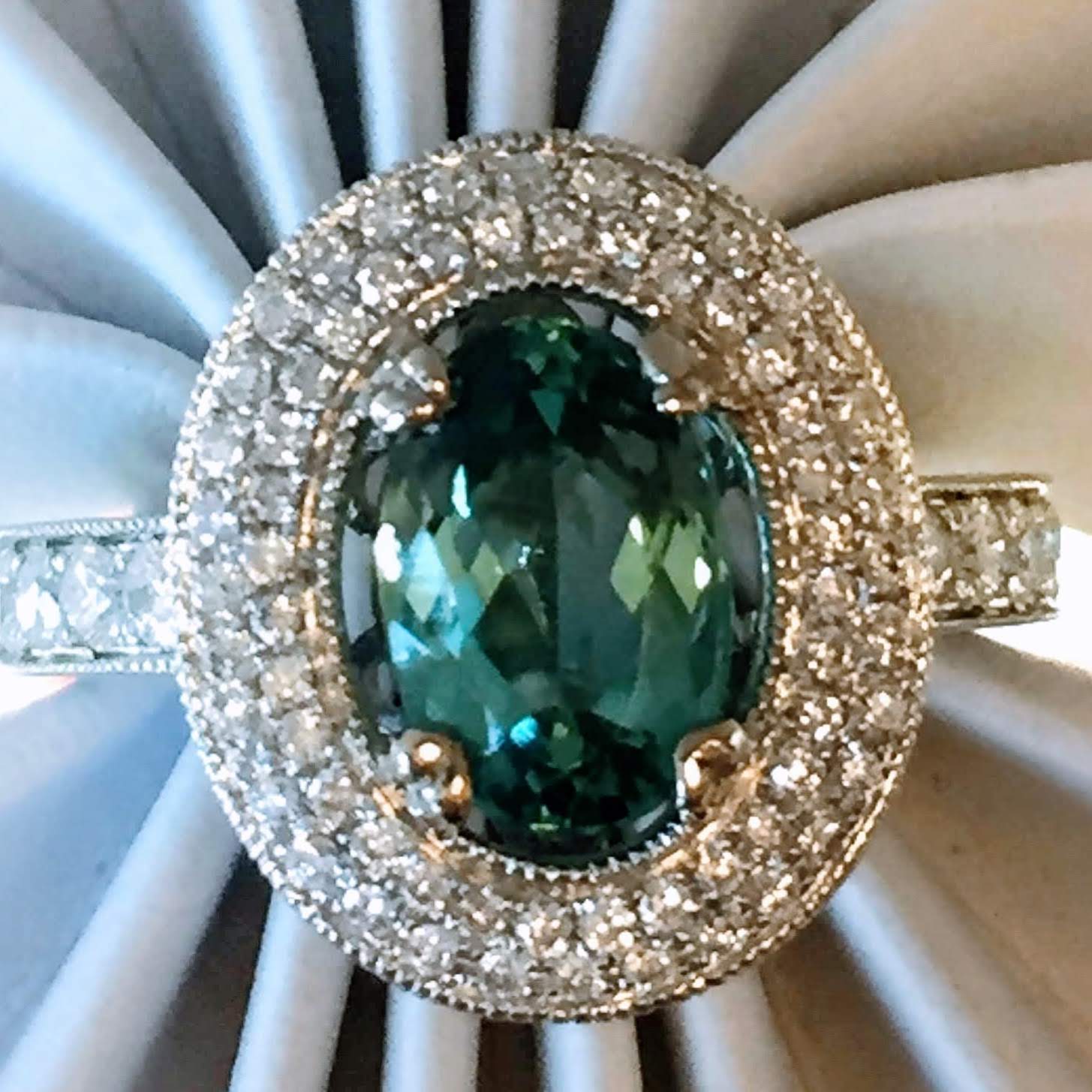
Colored gemstone rings offer far more than a single traditional look. From deep blue sapphire and vivid ruby to soft pink morganite and purple amethyst, color can make a ring feel personal, expressive, and completely different from a classic all-diamond design.

Bold color, distinctive shape, and personal style.
Start with the color you love
Color is often the first reason someone chooses a gemstone. Look beyond the gem’s name and compare its actual hue, tone, and saturation. Two sapphires, for example, can look very different: one may be a bright medium blue while another appears dark and inky. Lighting also changes how color is perceived, so view a gemstone in more than one type of light when possible.
Popular gemstones for rings
- Sapphire: Best known for blue, but available in many colors. Its durability makes it a popular choice for rings worn frequently.
- Ruby: The red variety of corundum, the same mineral family as sapphire. Fine rubies combine rich color with good durability.
- Emerald: Valued for its distinctive green color. Emeralds commonly contain visible internal features and need thoughtful setting and care.
- Tourmaline: Found in a wide range of colors, including pink, green, and blue-green. It offers many creative options for custom jewelry.
- Amethyst: A purple variety of quartz that can provide bold color at an approachable price point.
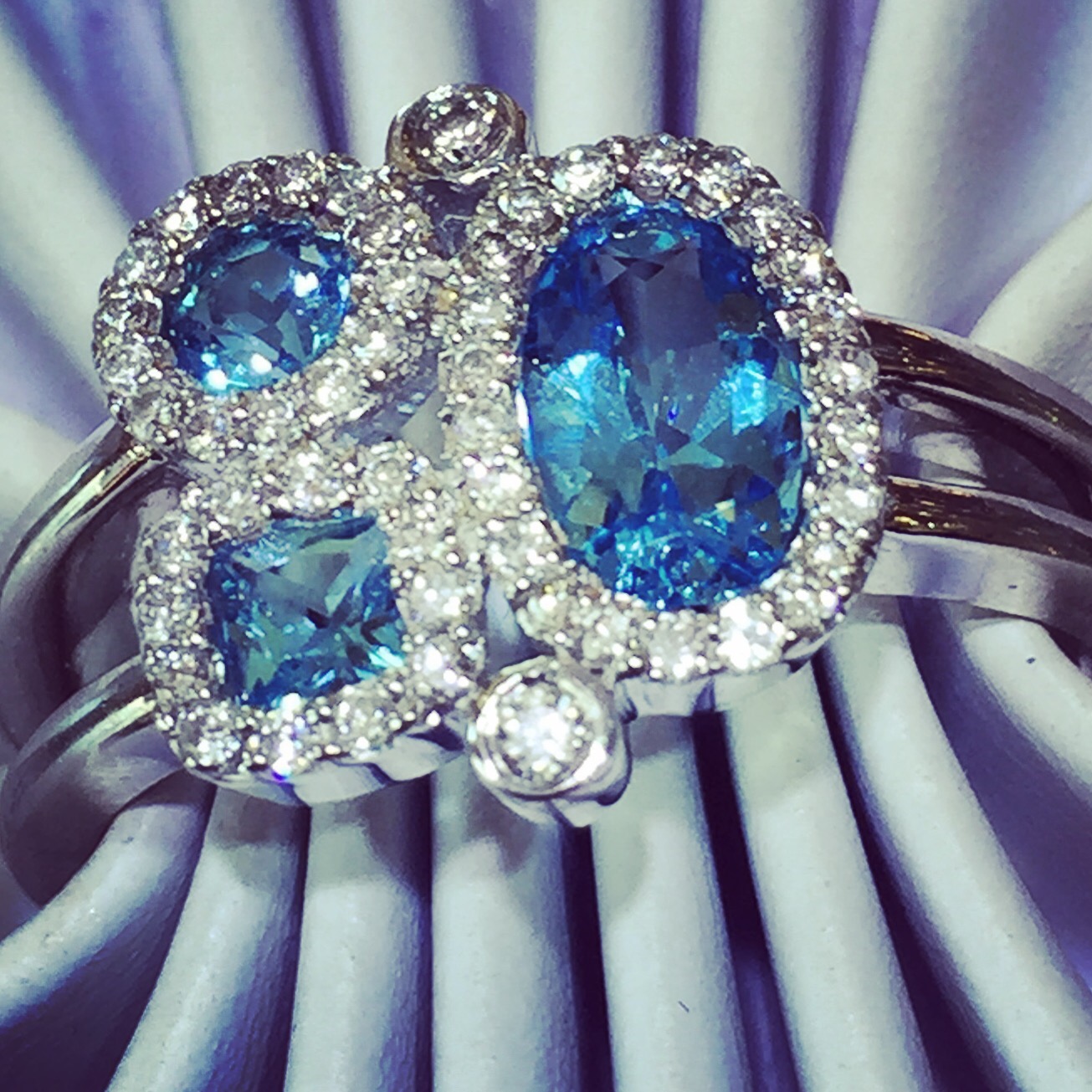
- Blue topaz: Known for bright, clear blue tones. It can create a dramatic look in larger cuts, but still benefits from protection against hard knocks.
- Morganite: A member of the beryl family with peach-to-pink color. Its softer tone pairs well with rose, yellow, or white gold.
- Tanzanite: Recognized for blue-violet color. Because it requires more careful wear, a protective setting is especially important in a ring.

Match the gemstone to how you will wear it
A ring worn every day faces more contact than a pendant or pair of earrings. Hardness matters, but it is not the only consideration. Toughness, cleavage, inclusions, and the height of the setting also affect how well a gemstone handles daily wear.
Sapphire and ruby are common choices for frequently worn rings. Emerald, tanzanite, topaz, and other gems may need more deliberate care or a setting that shields vulnerable edges. A bezel, halo, or sturdy prong arrangement can provide added protection without hiding the stone’s color.
Ask about treatments and care
Many colored gemstones are treated to improve color or clarity. Treatments are not automatically a problem, but they should be disclosed because they can affect value and the safest cleaning method. Ask whether the gemstone is natural or laboratory-grown, what treatments are present, and whether heat, steam, or ultrasonic cleaning should be avoided. If a stone becomes loose or the setting is damaged, use a jeweler experienced with local jewelry repair.
For more guidance on individual stones, visit our colored gemstones guide.
Choose a design that supports the stone
The right design balances appearance, comfort, and protection. A diamond halo can add contrast and sparkle around a colored center stone. Yellow or rose gold may warm the color, while white gold or platinum can create a cooler contrast. The ring’s proportions should also feel comfortable on your hand and suit your routine.
Create a custom gemstone ring
Custom design allows you to select the gemstone, metal, setting, and details as one complete composition. N.J. Diamonds has created one-of-a-kind jewelry in Dearborn since 1996 through our in-house designer, Custom by Z. Explore our custom engagement-ring options and custom jewelry design process, or contact N.J. Diamonds to discuss a colored gemstone ring.

One thought on “Colored Gemstone Rings: Choosing Color, Durability, and Style”