
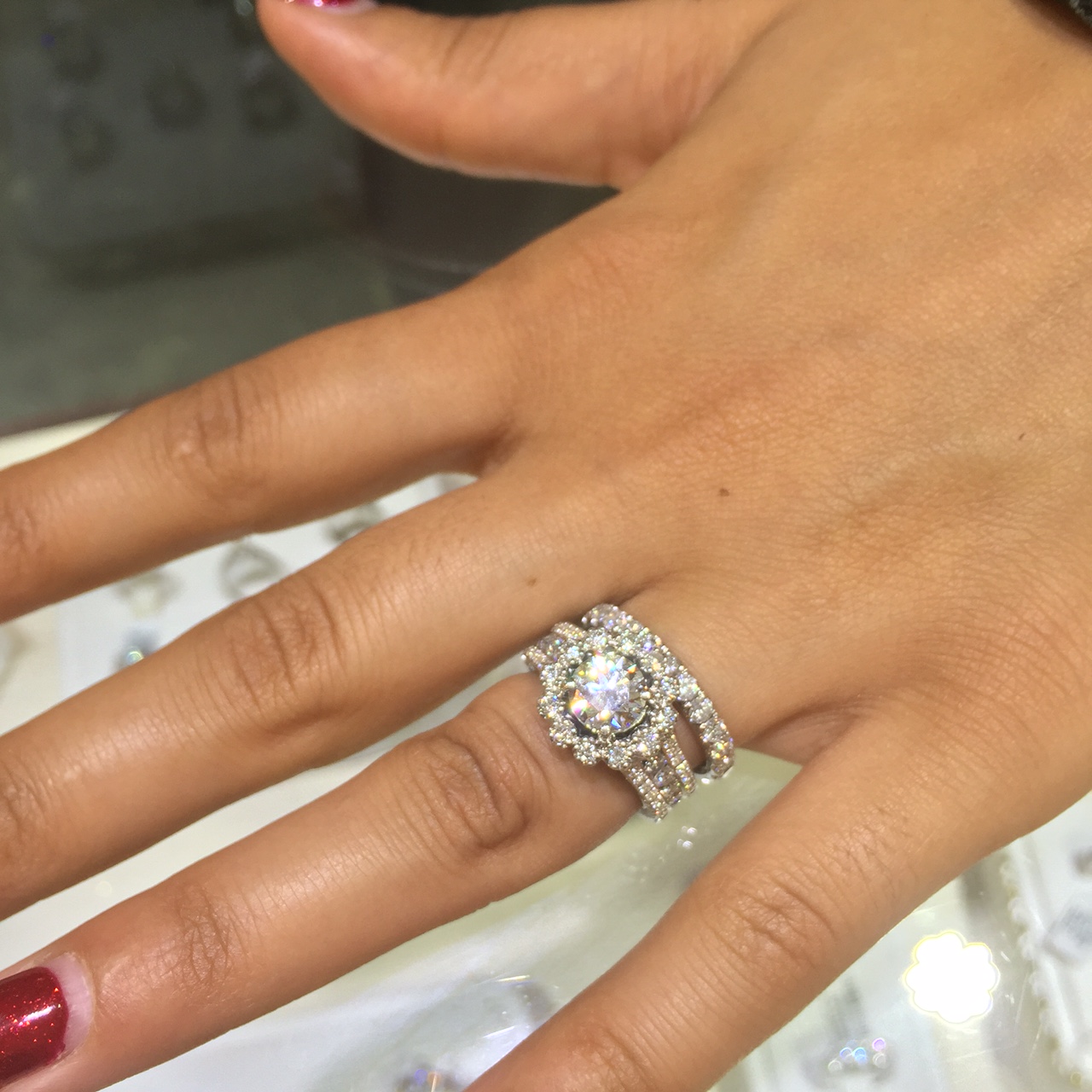
The diamond engagement ring did not begin as a single modern tradition. Its history developed over centuries through changing customs, advances in diamond cutting, new sources of gemstones, and evolving ideas about love, partnership, and personal style.

Early betrothal rings
Rings have symbolized agreements and relationships since ancient times. In Roman society, betrothal and marriage rings could represent a formal bond between families. These early rings were not necessarily set with diamonds, and their meaning was different from the romantic engagement ring familiar today.
By the Middle Ages, rings were increasingly connected with courtship and marriage in Europe. Gemstones, inscriptions, and symbolic designs appeared in rings exchanged by people who could afford them.
The famous 1477 diamond ring
One of the earliest well-documented diamond betrothal rings was given in 1477, when Archduke Maximilian of Austria presented Mary of Burgundy with a ring set with diamonds. The event is often cited as an important milestone in engagement-ring history, although diamond rings remained rare and were largely limited to royalty and wealthy families.
Victorian romance and symbolic design
During the Victorian era, engagement rings became more decorative and sentimental. Designs often combined diamonds with colored gemstones, enamel, floral shapes, or meaningful arrangements. Some rings used gems to spell words through the first letter of each stone’s name, while others included hidden messages or personal motifs.
Improved access to diamonds during the 19th century also helped expand the market. Even so, hand craftsmanship and the limitations of early cutting techniques gave these rings a character distinct from modern designs.
Edwardian detail and Art Deco geometry
At the beginning of the 20th century, Edwardian rings often featured delicate platinum work, filigree, milgrain edges, and lace-like arrangements of diamonds. Platinum allowed jewelers to create refined settings that looked light while securely holding small stones.
In the 1920s and 1930s, Art Deco design introduced stronger geometry, symmetry, contrasting colors, and bold outlines. Emerald cuts, baguettes, and other straight-edged shapes became natural partners for the period’s architectural style.
The rise of the modern diamond engagement ring
Diamond engagement rings became much more widely associated with proposals during the 20th century. Advertising, expanding consumer access, and improvements in diamond cutting all helped shape the modern tradition. The round brilliant cut grew especially popular because its proportions were designed to produce strong brightness and sparkle.
Laboratory grading later gave buyers a more consistent way to compare diamonds. Today, the diamond 4Cs—cut, color, clarity, and carat weight—provide a shared language for evaluating many of the qualities that affect appearance and value. A grading report adds useful documentation; our diamond certification guide explains what it does and does not tell you. You can also compare classic and modern outlines in our diamond shapes guide.
Engagement rings today
Modern couples have more choices than ever. Natural and laboratory-grown diamonds, colored gemstones, mixed metals, vintage-inspired settings, minimalist solitaires, and completely custom designs can all express a personal story. There is no single ring style that defines commitment.
Many people also redesign family jewelry, reset an inherited diamond, or combine old and new materials. This keeps the emotional history of a piece while creating a ring suited to the person who will wear it.
Add your story to the tradition
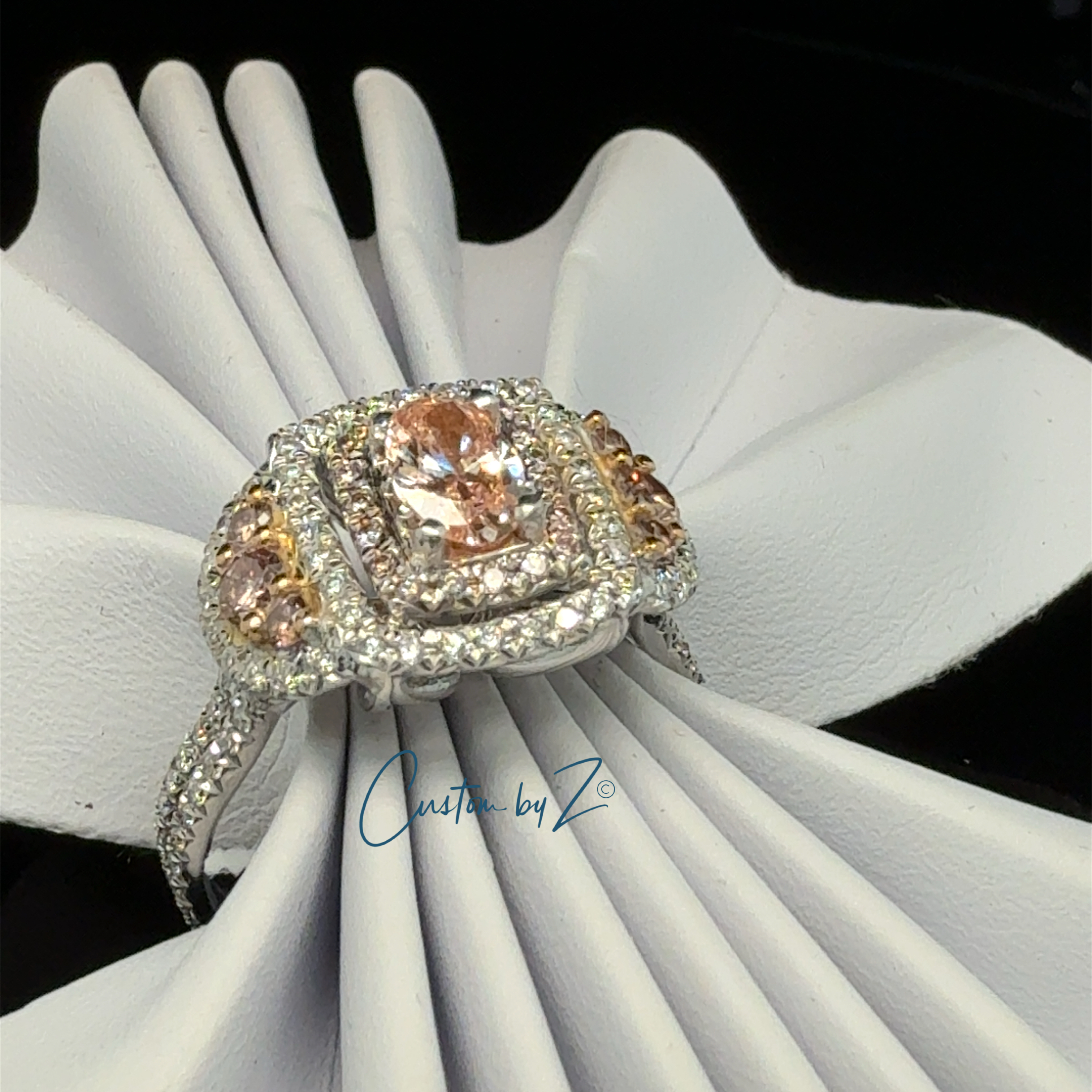
N.J. Diamonds has helped couples choose and create engagement rings in Dearborn since 1996. Our in-house designer, Custom by Z, can develop a one-of-a-kind ring around your preferred stone, metal, setting, and budget. Explore our custom diamond engagement rings and custom jewelry design process, or contact N.J. Diamonds to begin.
8 thoughts on “The History of Diamond Engagement Rings”