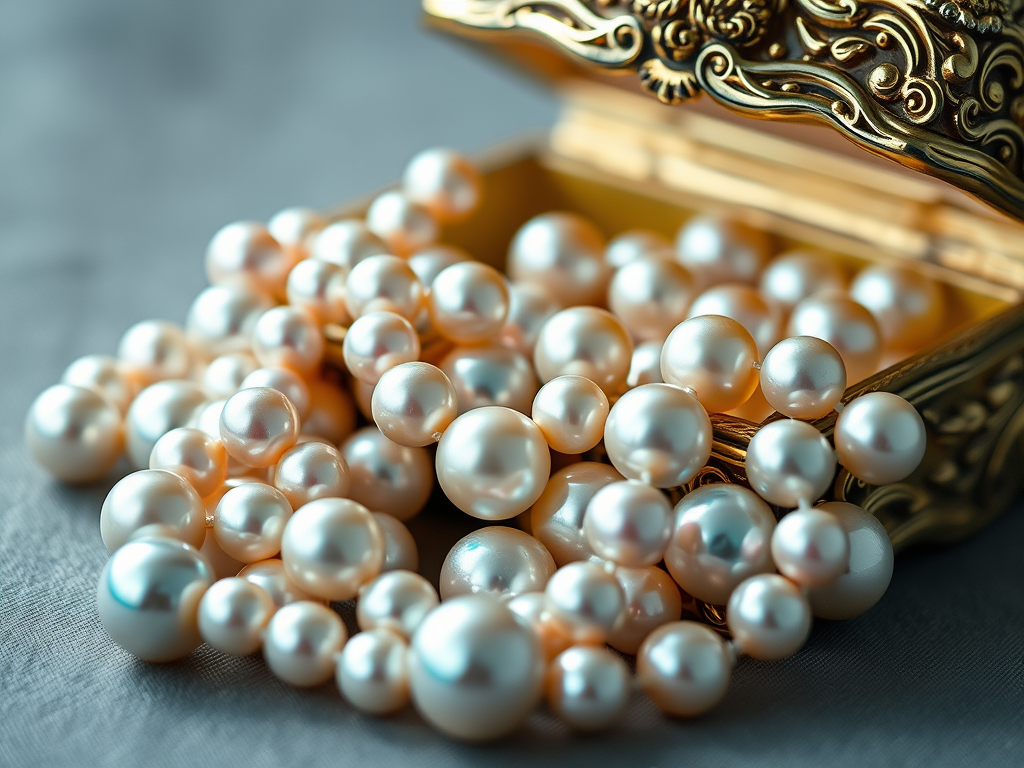
Understanding Pearl Color:
The color of a pearl is a crucial factor when grading it. The pearl has both an overtone and a body color. It comes in various colors, ranging from white to black. The pearl comes from a living creature, which contributes to the unique way the color of the pearl develops.
Body Color:
The body color is the main color of the pearl, which can be white, silver, gold, blue, green, cream, and even black. The body color depends on the type of oyster or mollusk which the pearl originated. The condition of the waters also impacts the pearl color. Sometimes, the object placed in the oyster affects the outcome of the pearl’s color. Certain oysters produce pearls of a specific color.
Overtone:
The translucent color shown on the top of the body color is called the overtone. These overtones alter the color of the pearl somewhat, adding depth and glow to it.
Orient:
This refers to the iridescent colors that glitter. The layers of nacre (mother of pearl) reflect light through many layers.
Many pearls are color-treated. This treatment is often used with freshwater, Akoya, and sometimes Tahitian pearls. The color is infused by a process known as dying or irradiation. You can find out if a pearl is treated by looking down the drill hole. You will be looking for concentrations of color that show the presence of dye.
Naturally, black Akoya and freshwater pearls do not exist. If black pearls are offered of this variety, they are always color-treated.
For anyone looking for classic and elegant jewelry, pearls are essential. Every woman should have at least one strand in her jewelry collection.
Article Source: http://EzineArticles.com/?expert=Kathy_Abdelhak


One thought on “The Importance of Pearl Color in Grading”