

Emerald-cut diamonds are known for long, clean lines and a calm “hall-of-mirrors” pattern rather than the fast sparkle of many brilliant-cut shapes. Their rectangular outline, clipped corners, and broad step facets create an elegant look that can feel classic, architectural, or modern depending on the setting.
Because the faceting is open and orderly, choosing an emerald-cut diamond requires careful attention to clarity, proportions, color, and how the stone looks in motion.
Here, “emerald cut” describes a diamond’s cutting style; it does not mean the stone is an emerald gemstone. If you are considering a colored center stone, explore our colored gemstone guide. Compare emerald cuts with other popular silhouettes in our Diamond Shapes Guide.
What makes an emerald cut different?
An emerald cut uses rows of long, parallel facets arranged like steps. Light moves through those facets in broad flashes. The cropped corners help protect the outline and give the diamond its recognizable shape.
This cutting style emphasizes transparency and symmetry. A well-chosen stone should show a pleasing balance of bright and dark reflections as it moves, without a distracting area that remains overly dark or lifeless.


Clarity is especially visible
The broad, open facets of an emerald cut can make inclusions easier to notice than they would be in a highly faceted brilliant cut. That does not mean every emerald-cut diamond needs the highest possible clarity grade. It means the location, color, size, and visibility of inclusions should be evaluated carefully.
Look at the diamond without magnification from a normal viewing distance. Ask whether any inclusion catches your eye through the large center facets and whether it affects durability. A grading report provides useful information, but seeing the stone remains important.
Color can be easier to notice
Emerald cuts may reveal body color more readily than some brilliant-cut shapes, especially in larger stones or when viewed from the side. Metal color also changes the overall impression. White gold or platinum creates a cool frame, while yellow or rose gold can add warmth and may make a slightly warmer diamond feel intentional.
Compare proportions, not only carat weight
Carat weight measures weight, not visible size. Two emerald-cut diamonds with the same carat weight can have different length, width, depth, and face-up appearance. Review the millimeter measurements and compare stones side by side.
Length-to-width ratio describes how elongated or square the outline appears. There is no universal best ratio. Some people prefer a long, slender rectangle; others like a wider, more compact shape. Symmetry, corner shape, and the way the facets return light are just as important as the number.
Look for an appealing facet pattern
Move the diamond slowly under different lighting. The steps should create an attractive sequence of light and dark areas rather than a large section that looks consistently empty or black. Check that the pattern feels balanced from left to right and that the center does not appear dull.
Standard grading information cannot describe every visual difference. An experienced jeweler can help you compare how individual stones perform in person. Use our 4Cs guide as a starting point, then judge the complete diamond.
Choose a setting that protects the corners
The clipped corners of an emerald-cut diamond should be supported by secure prongs or another protective setting style. Four-prong settings can create a clean presentation, while double or corner prongs add a different look. A bezel or partial bezel provides more metal around the stone and can create a sleek modern profile.
Emerald cuts also work well in solitaires, three-stone rings, halos, and designs with tapered baguettes or other step-cut side stones. The setting should keep the center stone visually balanced while fitting the wearer’s lifestyle.
Plan the wedding band with the engagement ring
A low basket or wide center setting may prevent a straight band from sitting flush. If a close fit matters, consider the wedding band during the engagement-ring design. A curved or custom-contoured band can follow the setting, while an intentional gap creates a different look.
Read our guide to matching an engagement ring and wedding band.
Why a grading report matters
An independent grading report documents measurements, color, clarity, carat weight, and other identifying information. It helps you compare diamonds consistently, but it does not replace a visual inspection. Learn more about diamond certification and grading reports.
Create an emerald-cut engagement ring in Dearborn
Custom by Z can build a setting around the actual dimensions of your emerald-cut diamond, refine the profile, coordinate a wedding band, and add personal details through the N.J. Diamonds custom design process.
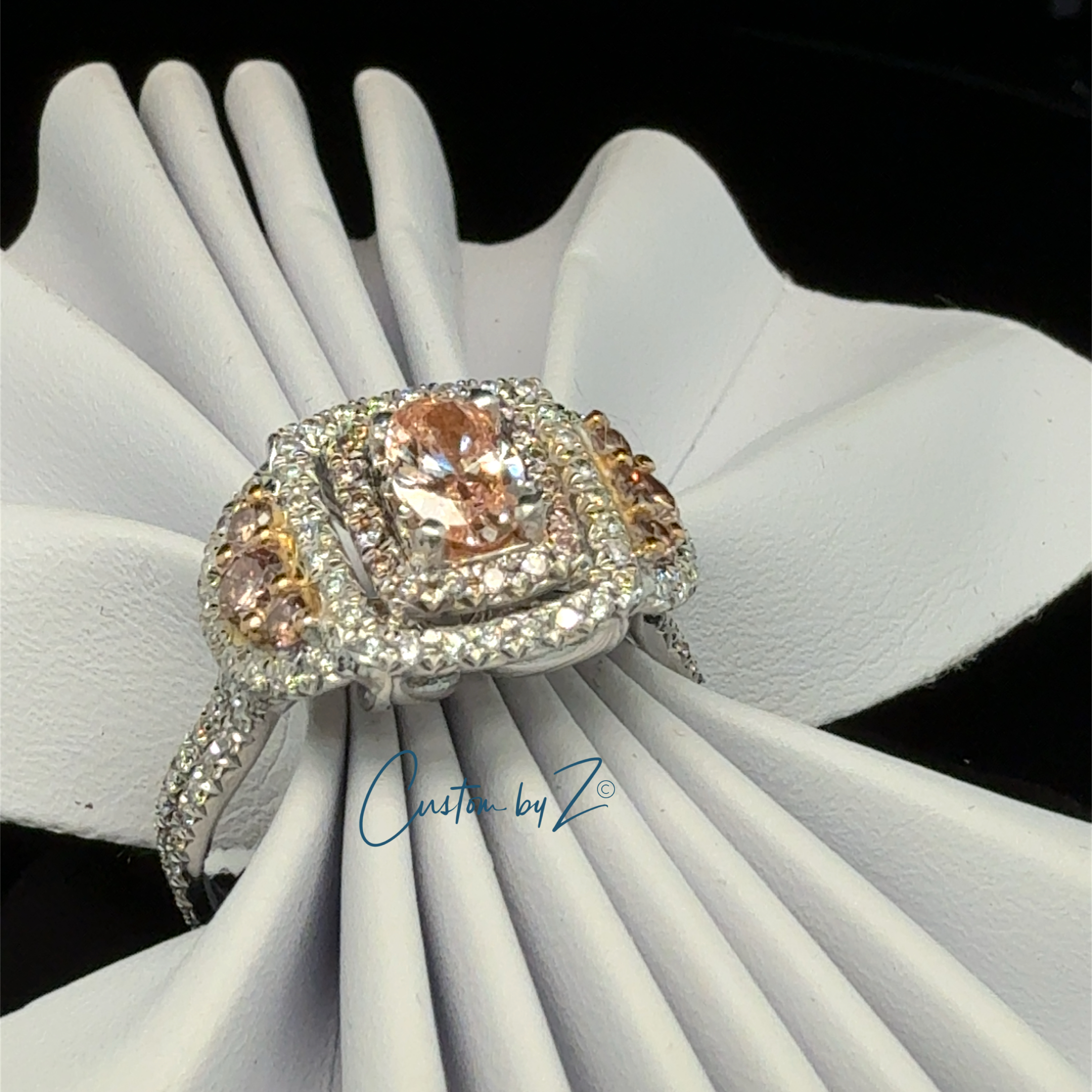
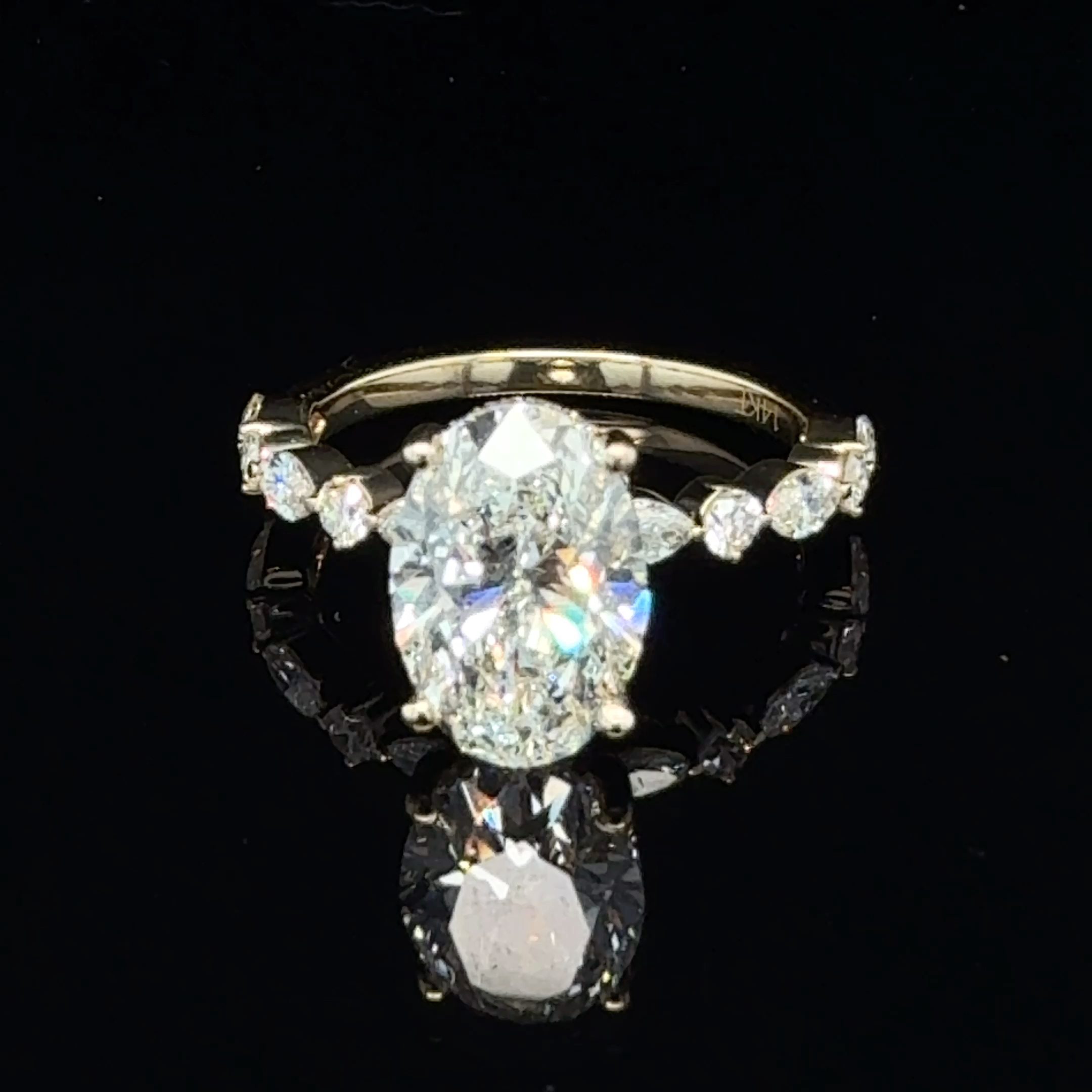
Explore our custom diamond engagement rings, then contact our Dearborn store to discuss current emerald-cut options and a design that fits your style, lifestyle, and budget. The pictured rings are design examples; ask about current availability and custom options.

One thought on “Emerald-Cut Diamonds: Clarity, Proportions, and Setting Tips”