
Golden pearls bring warm color to classic pearl jewelry. They can be worn as a statement on their own or paired with diamonds and white
Read MoreTag: pearls

Three-Pearl and Diamond Ring in White Gold
Elegant Pearl and Diamond Design This pearl-and-diamond ring features three glowing pearls. They come in soft pink, classic white, and elegant gray. The setting is
Read MorePearl Color Explained: Bodycolor, Overtone & Value
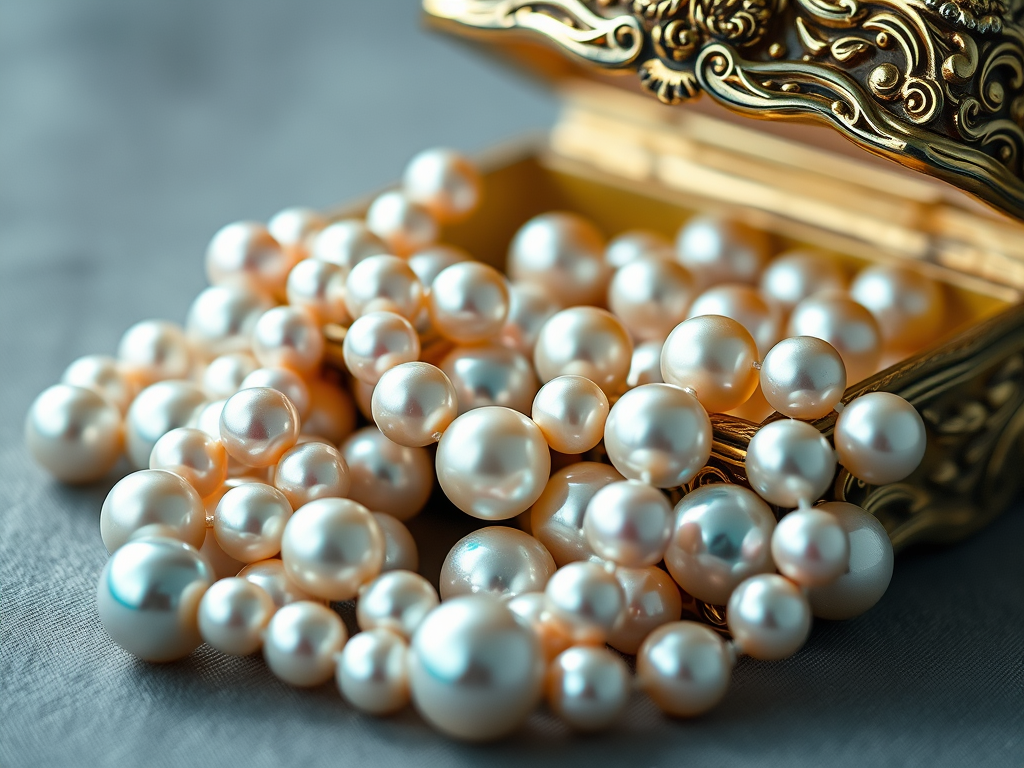
Understanding Pearl Color:
The color of a pearl is a crucial factor when grading it. Every pearl has a body color, while only some show overtone, orient, or both. It comes in various colors, ranging from white to black. The pearl comes from a living creature, which contributes to the unique way its color develops.
Body Color:
Body color is the pearl’s dominant overall color. It can range from white and cream to gold, gray, or dark tones, depending on the pearl type and other factors.
Overtone:
The translucent color shown on the top of the body color is called the overtone. These overtones alter the pearl’s color somewhat, adding depth and glow.
Orient:
This refers to the iridescent colors that glitter. The layers of nacre (mother of pearl) reflect light through many layers.
Many pearls undergo color treatment. Jewelers often treat freshwater, Akoya, and sometimes Tahitian pearls. They infuse color through processes such as dyeing or irradiation. Color concentrations near a drill hole can be a clue to dye treatment, but appearance alone cannot reliably establish whether a pearl has been treated. Ask for disclosure and consider independent laboratory identification when it matters to the purchase.
Ask about color origin, especially when buying dark akoya or freshwater pearls. A dark appearance by itself does not identify the pearl type or treatment.
“If you’re looking for classic, elegant jewelry, consider adding pearls to your collection.”

GIA’s pearl quality factors explain body color, overtone, and orient. Compare color alongside luster, surface, size, shape, nacre, and matching.


Explore our pearl guide and pearl care guide, or contact N.J. Diamonds to discuss pearl jewelry.
The History of Pearls: Timeless Gems
Pearls have a long history in jewelry, prized for their luster and association with beauty, status, and celebration. They form in living mollusks, giving them a different origin from gemstones mined from rock.
From rare natural pearls to cultured pearls
Natural pearls form without human intervention. Cultured pearls form with human involvement in the process. The commercialization of Japanese akoya cultured pearls in the early twentieth century changed the pearl market and made pearl jewelry accessible to more buyers. GIA explains this development in its history of cultured pearls.
Pearls in jewelry today
Akoya, freshwater, Tahitian, and South Sea cultured pearls offer different colors, shapes, and sizes for strands, earrings, rings, and custom pieces. Compare the pearl type and quality rather than price by weight alone. Our pearl guide is a starting point for exploring your choices.
Caring for Cultured Pearls
- Keep pearls away from perfume and hairspray.
- Put on your pearls after you finish your makeup.
- Wipe your pearls with a soft, clean cloth after wearing them.
- Store pearls separately from other jewelry to prevent scratching.
- Have your pearls restrung if they feel loose or if the silk cord looks discolored.
Read our pearl care guide, or contact N.J. Diamonds in Dearborn to discuss pearl jewelry, restringing, or a custom design.