
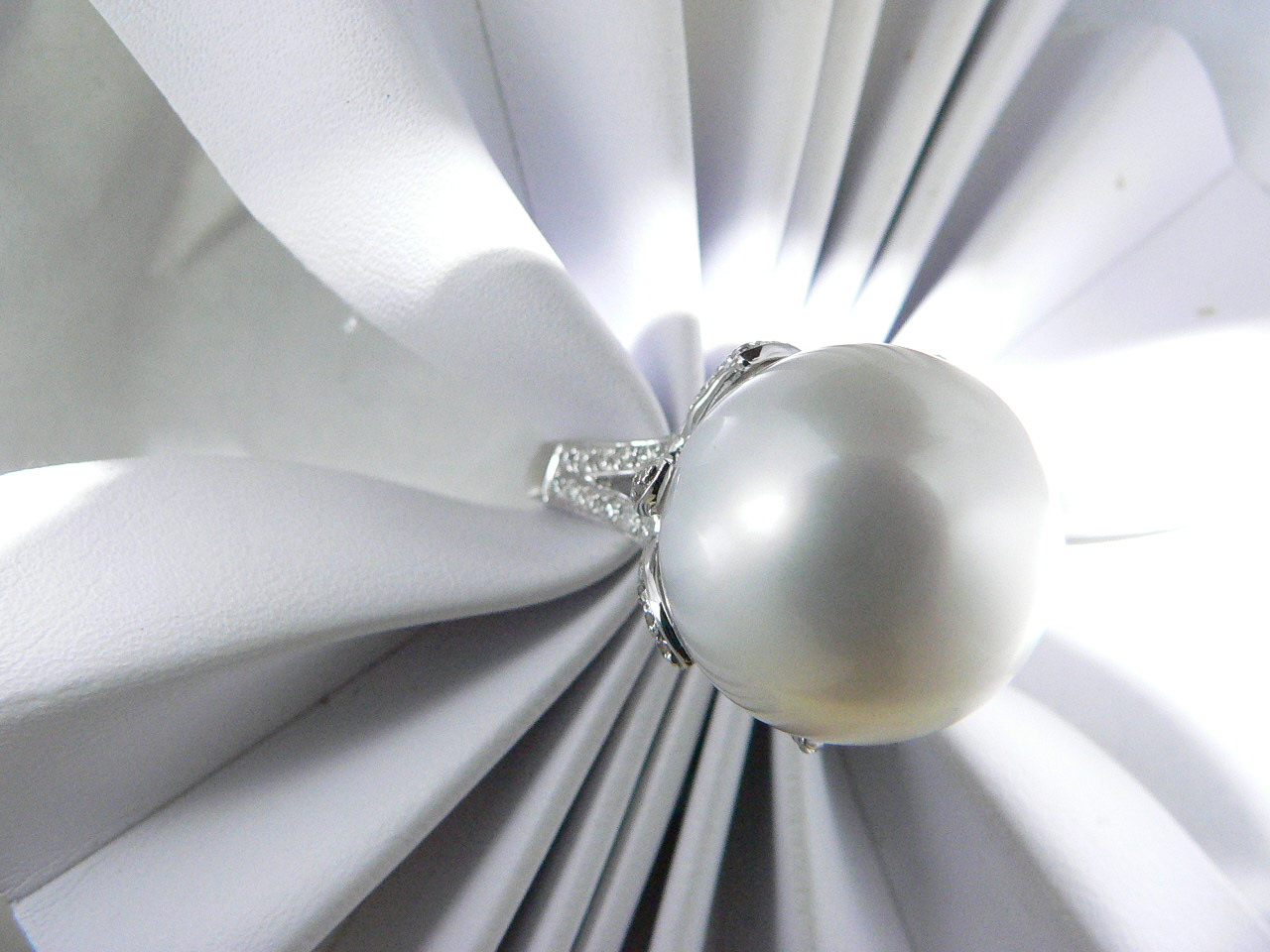
Making Sense Of The Pearl Grading System:
The pearl industry does not have a universal standard for grading pearls. Currently, two major grading systems are in widespread use. The AAA-A system is considered standard by almost all reputable pearl dealers. The A-D system, also known as the Tahitian system, is another standard system recognized by reputable pearl dealers.
The AAA-A System
The AAA-A system grades pearls on a scale from AAA to A. AAA is the highest grade. This grading scale is used only for freshwater and Akoya pearls. However, it’s also accepted for use with South Sea and Tahitian pearls.
AAA:
The highest quality pearl, known for its exquisite beauty, is renowned for its captivating radiance and unparalleled perfection. Crafted with unmatched precision, this exceptional pearl possesses a flawless surface, reflecting an enchanting luster that captivates the beholder’s gaze.
This extraordinary pearl has an impeccable composition. It showcases a stunning purity. Its surface is meticulously polished to achieve brilliance. This brilliance exceeds all expectations. Its flawless nature ensures that at least 95% of the surface remains unblemished. The surface is free of any defects. This affirms its status as a rare treasure of unrivaled elegance.
Such a pearl is a testament to nature’s artistry, symbolizing grace, sophistication, and timeless allure. Its pristine surface reflects light in a mesmerizing dance, illuminating every angle with sheer perfection. This pearl is adorned by those who appreciate the epitome of luxury. It signifies the pinnacle of refinement. Connoisseurs and enthusiasts alike cherish it.
This immaculate pearl embraces the essence of exclusivity. It transcends mere adornment. The pearl becomes a cherished heirloom that embodies beauty, excellence, and eternal elegance. Its flawlessness symbolizes the pursuit of perfection. It shows the triumph of artistry. The pearl stands as a testament to the incredible craftsmanship that sculpts these magnificent natural treasures.
In conclusion, the highest quality pearl has a flawless surface. Its irresistible luminosity embodies the epitome of excellence and unparalleled beauty. Each precious gem reflects nature’s fleeting brilliance. It is a timeless masterpiece that captivates the heart and soul. These gems leave an indelible mark of magnificence for generations to come.
AA:
The surface has a remarkably high luster, accentuating its exquisite quality. Approximately 75% of the surface will be flawless, ensuring an exceptional level of perfection. The mirror-like finish, with its brilliant shine, creates an alluring visual appeal that is sure to captivate any observer. Every detail has been meticulously attended to, leaving no room for imperfections. The dedication to excellence is reflected in the surface’s flawless appearance, making it a true work of art. It is a testament to the meticulous craftsmanship and attention to detail that go into creating such a remarkable piece.
Less Pronounced Luster Tend To Be Low Grade Pearls
The lowest grade of pearls tends to have a less pronounced luster. They can cover more than 25% of the pearl’s surface. These defects can vary in nature. They range from minor blemishes such as spots or scratches to more noticeable imperfections, such as cracks or irregularities in shape. These pearls do not have the same level of visual appeal as higher-grade ones. Still, they hold value for individuals seeking more affordable options. Some people also appreciate the unique character that these imperfections bring. Grading systems can vary. Different factors are considered when assessing the quality of pearls. Factors include size, shape, and color. Surface quality and luster also impact the overall grade and value of a pearl.
The A-D System is sometimes called the Tahitian System.)
A-D system grades pearls on a scale from A to D, with A being the highest grade. This system is used to grade only Tahitian and South Sea pearls.
- A: Highest quality Pearl
The highest quality pearl, with very high luster and only minor defects over less than 10% of the surface. These pearls have a stunning radiance. They have a nearly flawless appearance. This quality is highly sought after by pearl enthusiasts and collectors alike. They exhibit a captivating iridescent quality, with a luminous glow that almost seems to emanate from within. The surface of an A-grade pearl is immaculate, with only the faintest imperfections that can be detected upon close inspection.
- B: Have high to medium luster
B-grade pearls follow closely behind. They possess a high or medium luster. This luster reflects a good amount of light and showcases a noticeable shimmer. While they may have some visible imperfections, these blemishes cover no more than 30% of the pearl’s surface area. These pearls still retain an alluring appeal. Their lovely shine and a touch of character add to their uniqueness. B-grade pearls are favored by those who appreciate a balance between quality and value.
- C: Have medium luster
Moving down the grading scale, C-grade pearls exhibit a medium luster, with a softer glow than higher grades. Surface defects may be more noticeable, with imperfections covering up to 60% of the pearl’s surface. However, despite these flaws, C-grade pearls can still possess an inherent beauty that appeals to individuals seeking affordable options. With proper care and styling, these pearls can still make a stunning statement.
- D: They are affordable
Finally, D-grade pearls are characterized by their affordability and accessibility. D-grade pearls may not possess the same luster as their higher-grade counterparts. Their surface quality is also not as high. However, D-grade pearls can still offer an attractive appearance. They may have many slight defects spread over 60% of the surface. These imperfections are typically not deep. They are not highly visible. D-grade pearls can be a good choice for beginners exploring the world of pearls. They are also suitable for those who prefer a casual, affordable option.
The A-D system and the descriptive terms used by retailers both focus primarily on the pearl’s luster. They also consider surface quality when deciding its grade. Luster is the pearl’s ability to mirror light. It produces a glowing sheen. Surface quality is affected by imperfections such as blemishes, spots, or uneven texture.
When buying pearls, understanding the meaning of the descriptive terms used by retailers is essential. Being aware of this important aspect will help you make informed decisions and ensure the quality of pearls you desire. You may be searching for lustrous A-grade pearls. They exude elegance and perfection. Or you might prefer more affordable yet still beautiful D-grade pearls. Either way, it’s crucial to grasp the grading systems and learn the terminology. This knowledge will empower you in your pearl-purchasing journey.
You may wonder how to differentiate between genuine pearls and imitation pearls.
You have a few methods available: First, examine the texture of the pearl on your teeth. A genuine pearl will feel slightly rough. Conversely, an imitation pearl will feel smooth.
How are imitation pearls made?
Imitation pearls are manufactured using various materials and processes to mimic the appearance of natural pearls. They can be marketed under terms such as “faux,” “simulated,” “artificial,” or “man-made.” Despite their synthetic nature, imitation pearls can still have a desirable sheen and allure. They are a more affordable option to natural pearls.
In conclusion, understanding the grading systems and terminology used for pearls is essential. This knowledge lets you make informed decisions when purchasing these exquisite gems. The flawless beauty of A-grade pearls may enchant you. You might be attracted to the balance of quality and value in B-grade pearls. Perhaps you appreciate the affordability of C-grade pearls. Or maybe you opt for the accessibility of D-grade pearls. There are options available to suit your preferences and budget. If you ever come across pearls that seem too smooth to be true, use the tooth test. This test helps determine whether they are genuine or imitation pearls. Happy pearl shopping!
