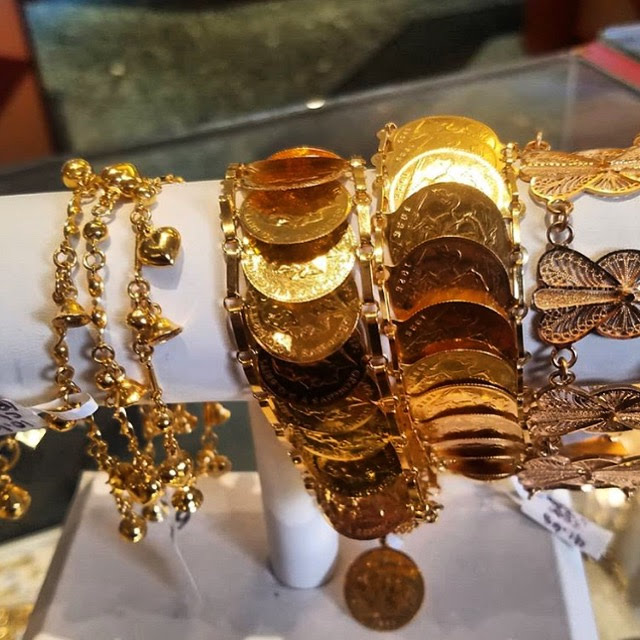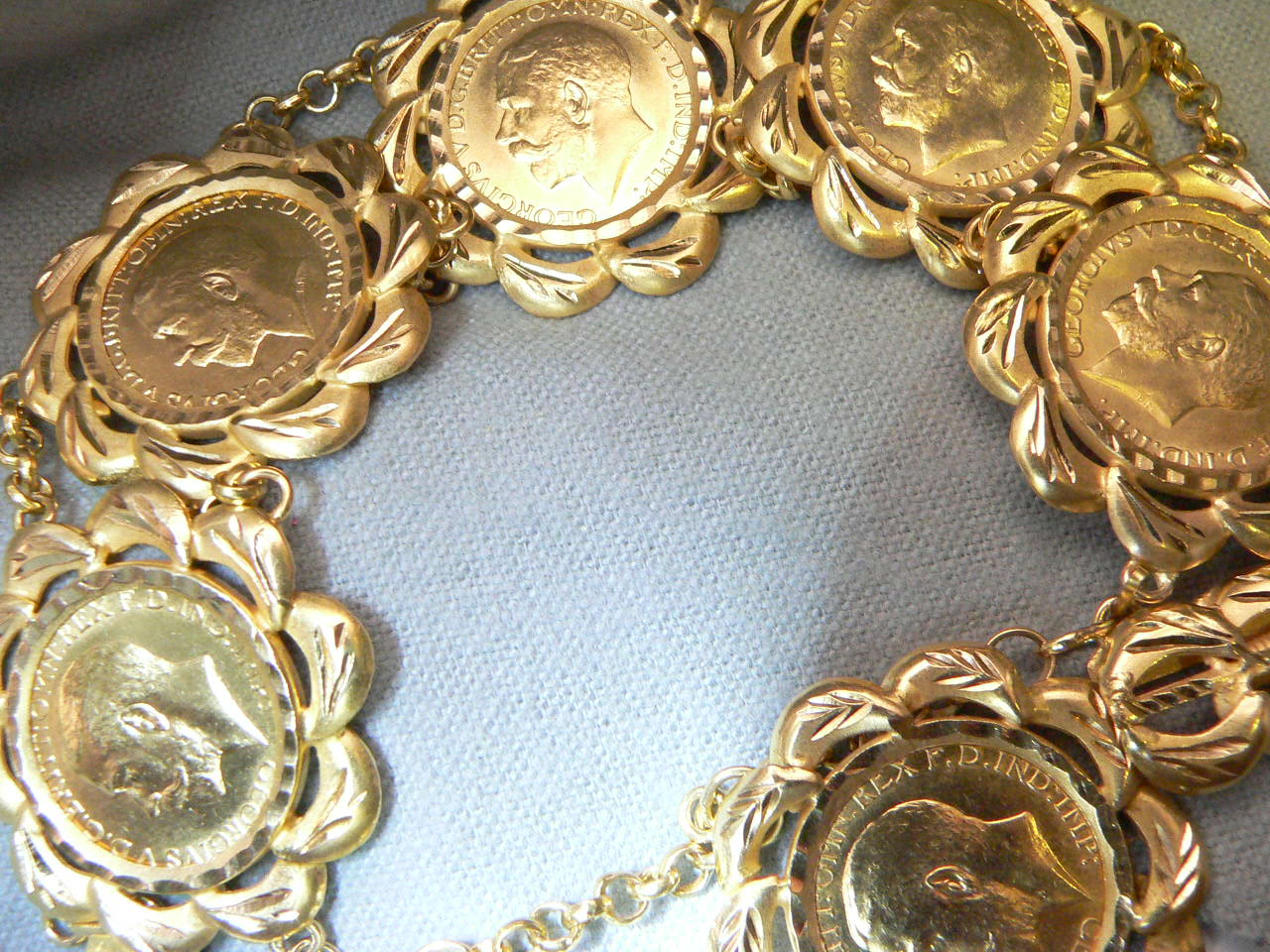
British gold coins are prized not only as jewelry (bracelets, pendants, charms, etc.) but also as long-standing investments and collectibles. Many buyers purchase them for both their historical appeal and intrinsic gold value.
Brief History of British Gold Coins
Gold coinage in Britain stretches back centuries. Early medieval gold coins such as the noble, unite, and guinea circulated well before the modern era. The guinea, introduced in the 17th century, became the dominant standard for gold currency in Britain for about 150 years. Royal Mint
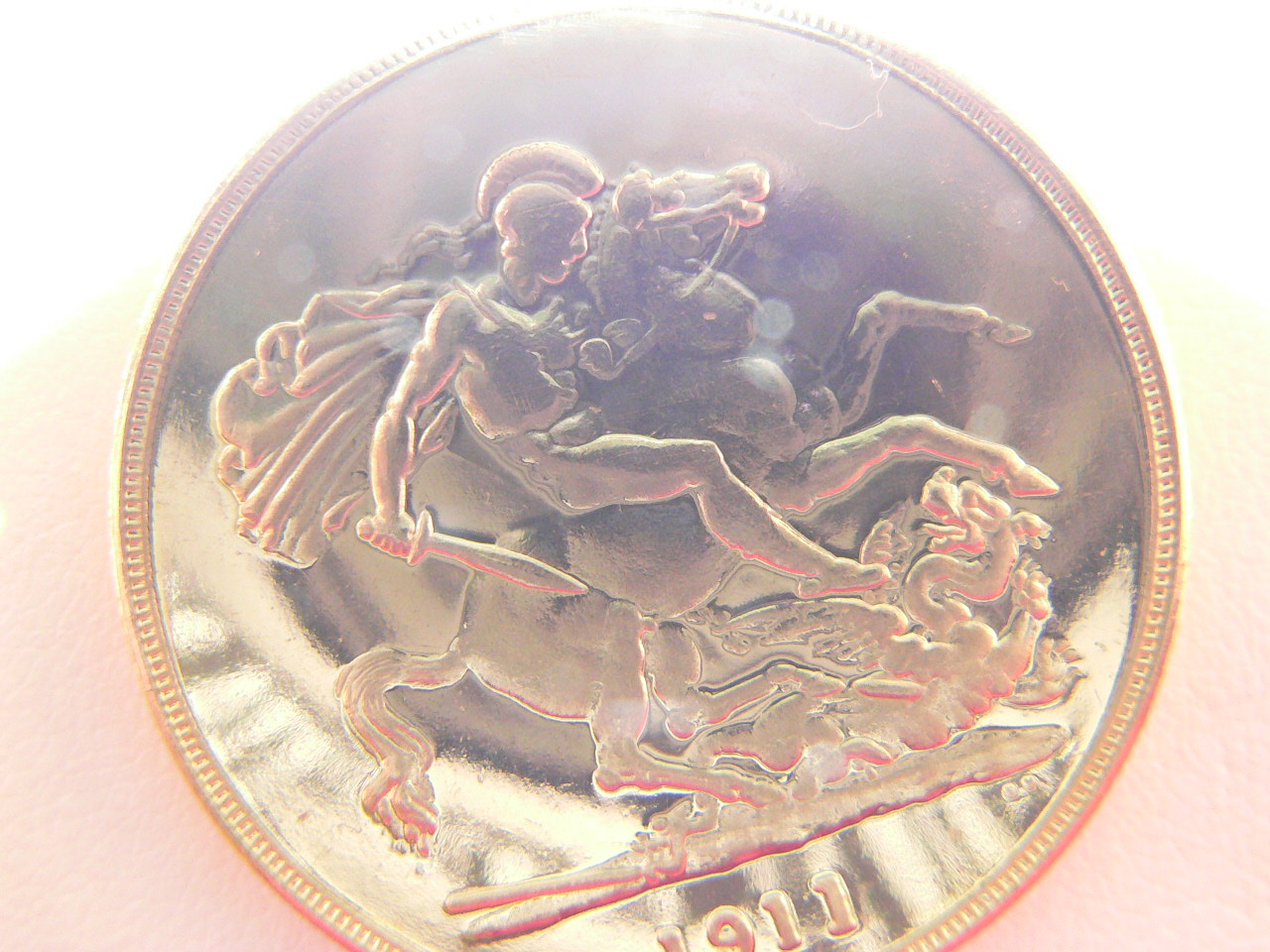
The most famous British gold coin today, the Sovereign, was first produced in Tudor times (late 1400s) and then re-established in its modern form in 1817 during the Great Recoinage. It became widely accepted worldwide and remained in circulation until the early 20th century. Pacific Precious Metals+1
Today the Royal Mint continues producing sovereigns and other gold bullion coins primarily as investment and collector pieces rather than everyday currency. JM Bullion
Who Appears on British Gold Coins?
British gold coins traditionally feature portraits of the reigning monarch on the obverse (heads) of the coin. Depending on the era, you may see:
- Queen Elizabeth II — featured on many coins until her passing in 2022. JM Bullion
- King Charles III — current monarch featured on recent and ongoing issues. JM Bullion
- Earlier monarchs such as Queen Victoria, George V, George VI, and more appear on older sovereigns and collector issues dating back centuries. Wikipedia
The reverse (tails) designs also vary:
- The famous Saint George and the Dragon motif by Benedetto Pistrucci is iconic on many sovereigns. BullionByPost
- The Britannia figure, symbolizing Britain, features on the Britannia bullion coin series. JM Bullion
- Special editions and commemorative issues may show other historical or artistic designs.
Gold Content & Karat (Purity)
The karat rating indicates gold purity — higher karats mean more pure gold:
Sovereign, Half Sovereign & Most Historic Coins
- Traditionally made in 22-karat gold (91.67% pure gold, with the balance typically copper for durability). BullionByPost+1
22-karat (“crown gold”) was a traditional and practical standard that made the coins more resistant to wear when they were in circulation. Wikipedia
Modern Britannia & Special Bullion Coins
- Many modern British gold bullion coins (such as some Britannia issues) are now minted in 24-karat gold (99.99% pure) or can be found in both 22kt and 24kt versions. JM Bullion
Using British Gold Coins for Jewelry
These coins are often used in bracelets, pendants, and charms because of their classic designs and precious metal value. Standard options include full sovereigns, half sovereigns, and occasionally Britannia coins. Because of their official minting and recognizability, they make attractive and meaningful jewelry elements and keep their gold value even when worn.
Summary
Market Price: Gold trades around $4,330 – $4,350 per ounce in early January 2026. APMEX
History: British gold coins date back centuries, with sovereigns in modern form from 1817 and earlier coin types from medieval times. Royal Mint
Designs: Feature portraits of British monarchs like Queen Elizabeth II and King Charles III, traditional imagery like Saint George or Britannia, and special commemorative issues. JM Bullion
Gold Purity: Most classic coins are 22 kt (91.67% gold); some modern bullion issues are 24 kt (99.99%). BullionByPost+1